

ACMER showcased its laser engraving and marking solutions at Rosmould | Rosplast | 3D-TECH 2026, held June 16–19 at Crocus Expo in Moscow. The company brought together live demonstrations, material samples and finished projects to show how laser equipment can support work ranging from personalized gifts and creative projects to metal marking and small-batch production.
Located near the exhibition’s main entrance, the ACMER booth attracted visitors who stopped to watch the machines operate, record demonstrations and ask about processing results. Among them were small business owners, independent creators, distributors and existing ACMER users, each bringing a different perspective on what they needed from their equipment.
From Live Demonstrations to Practical Questions
The MOPA and X1 PLUS systems ran live marking and engraving demonstrations, giving visitors a close view of the equipment in action. Conversations quickly moved from machine specifications to practical questions: which materials could be processed, what results were achievable and how a particular system might fit into an existing workspace or business.

Some visitors were exploring metal marking. Others were looking for a way to produce customized items, introduce a new service or handle smaller orders without investing in a full production line. Distributors and potential partners also discussed local sales and service opportunities with the team.
Across these discussions, a common priority emerged: understanding how the equipment would perform in everyday use.
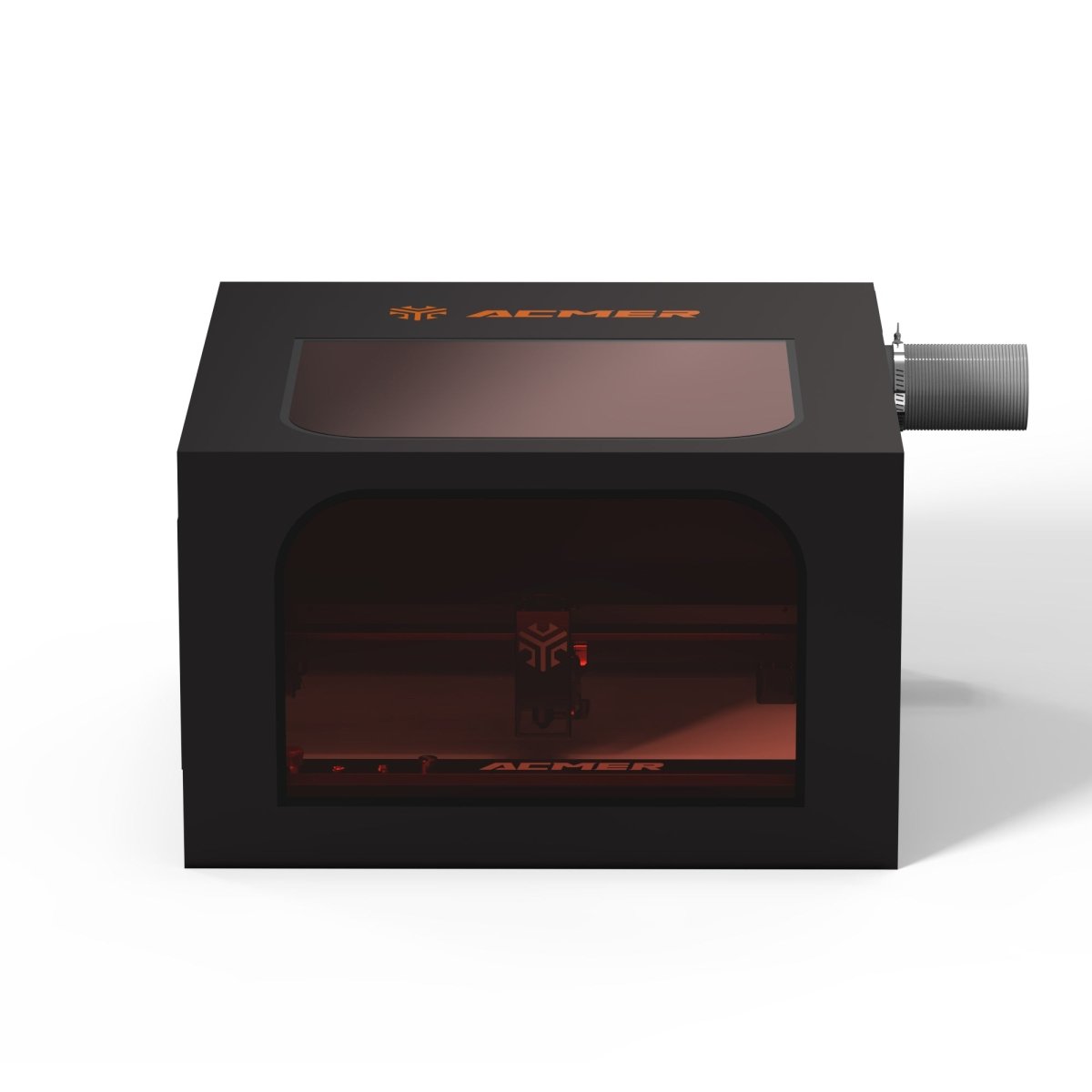
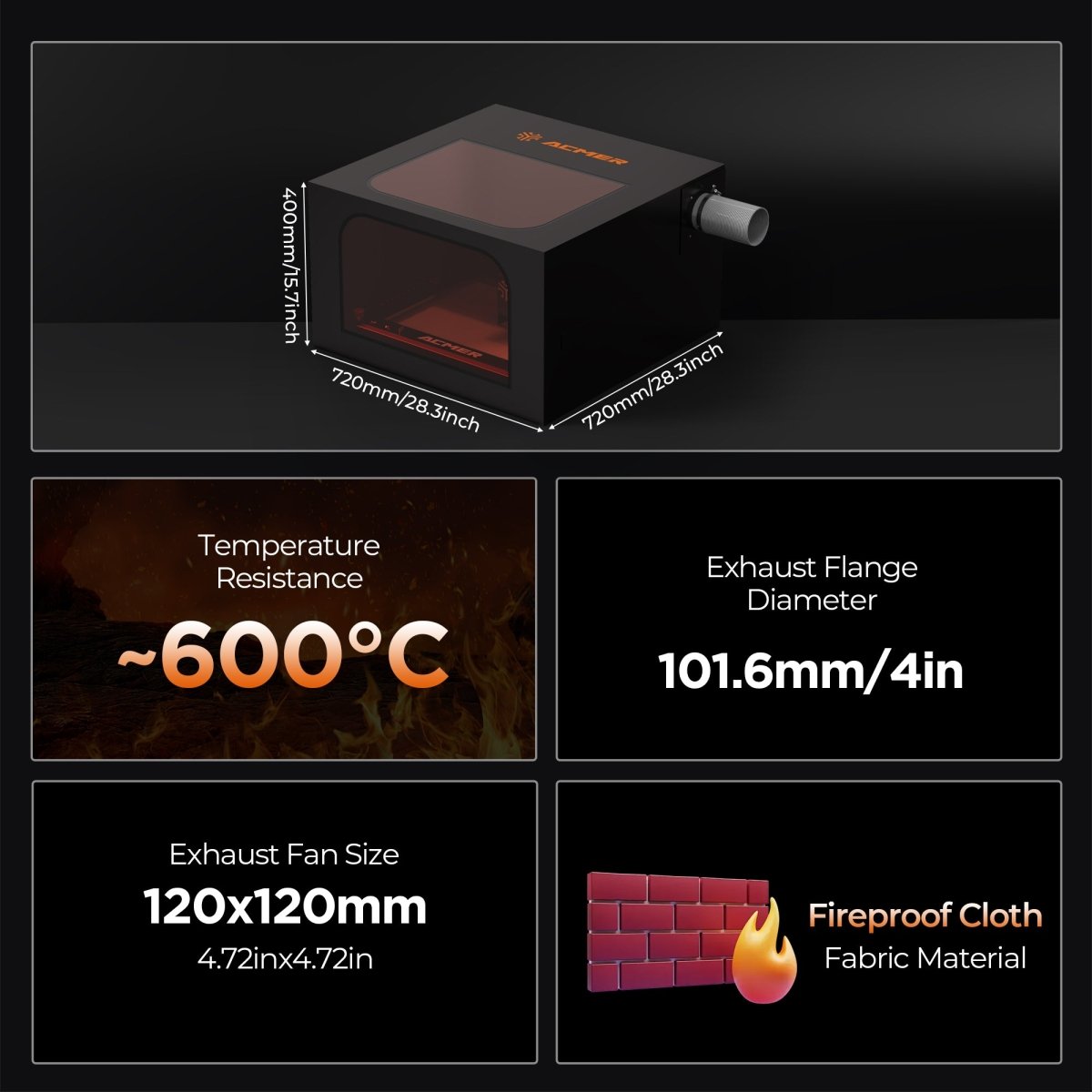
The product lineup gave visitors several starting points. The MOPA 100W drew attention from small businesses and customization professionals interested in metal processing, while the X1 PLUS attracted visitors with its large working area and live demonstrations. The K1 12W, displayed alongside the Mini purifier, prompted conversations about enclosed equipment and working in compact spaces. Meanwhile, finished pieces produced with the S2 PRO 48W helped creative users assess results and imagine applications for their own projects.
Showing What Is Possible with Different Materials

Material displays played an important role in the booth experience. ACMER presented processing examples across metals, wood, leather, textiles and selected specialty materials, allowing visitors to examine results while discussing suitable equipment and settings with the team.
The wood-processing display was a particular point of interest. Visitors studied engraving and cutting examples across different wood types, reviewed parameter references and asked how they could apply similar techniques to their own work. These conversations made the samples more than a visual showcase: they became practical references for choosing materials and planning projects.
Finished pieces added context. Displays featuring personalized accessories, jewelry and outdoor projects connected individual processing techniques with recognizable uses, helping visitors see how a machine could contribute to both creative work and commercial orders.

For a small workshop or independent business, that connection matters. A processing sample shows the finish; a completed item helps explain what can be made and how it might fit into a product offering.
Learning from the People Using the Equipment
The exhibition also gave ACMER an opportunity to meet existing users face to face. Several brought technical questions, examples of their work and ideas for modifying their machines. Their experiences added detail to the booth discussions, showing how the equipment was being used beyond a controlled demonstration.
These exchanges covered more than performance. Visitors discussed workspace constraints, ease of operation, learning requirements and the practical demands of delivering finished products. A business handling personalized orders may have different priorities from a creator experimenting with new materials, and those differences were reflected in the questions raised throughout the event.

Local content creators visited the booth as well, sharing their perspectives on the products and their applications.
Together, these conversations gave the ACMER team a closer view of its user community and the kinds of guidance customers find useful—from material tests and operating tips to project examples and modification experiences.
Beyond the Exhibition
ACMER plans to explore further opportunities for user project showcases, tutorials, material tests and modification stories within its local community. Building on the conversations in Moscow, these activities would give users more ways to exchange practical knowledge and share what they are making.

At Rosmould | Rosplast | 3D-TECH 2026, the most useful discussions began with a running machine or a finished sample and developed into questions about real work. For ACMER, those exchanges provided valuable insight into how businesses and creators evaluate laser technology—and how demonstrations, educational content and user support can help them put it to use.